
In spite of the word “slot” in the title, Chicken Road is not a classic slot with rotating symbols and paylines. We treat it as a lane-crossing, crash-style game: you set a stake, initiate a round, and guide a chicken across a road while each safe lane boosts the multiplier. The beginner’s task is not to check a paytable but to learn when to cash out before traffic stops the round. In this guide we explain the rules, the risk controls, the RTP and volatility profile, and the limits you should check before staking real money. Our focus is the game itself, rather than site-wide casino features.
Special Features, Top Payout and Jackpot Outlook
We do not anticipate complimentary spins, wild symbols or scatter icons in the standard Chicken Road structure, because it does not use spinning reels or pay lines. Its bonus-style features are the multiplier ladder, difficulty options, cash-out targets and any optional automatic cash-out feature. If a page advertises free spins on Chicken Road, we verify whether it is depicting a different slot or a website promotion as opposed to the game itself. complete coverage For this game, the significant extras are the risk controls that change how the round finishes. New players should learn those options before searching for extra features that might not exist in the version they are trying.
Max win and progressive jackpot hopes require the same careful reading. Chicken Road is not typically a progressive jackpot game; its maximum payout is usually a set multiplier or a maximum amount set by the variant or casino operator. We verify whether the limit relates to the multiplier rate, the overall payout or both of them, because a large multiplier can still be limited by a https://www.reddit.com/r/pics/comments/bfdh1w/if_you_ever_feel_a_bit_slow_just_remember_kim/ max win rule. The maximum win is not an objective for new players. We view it as a boundary that tells us how the game’s risk is structured, then choose significantly smaller cash-out objectives that suit our bankroll and experience.
Understanding the Multiplier Ladder and Traffic Risk
The multiplier ladder is the part newcomers misjudge. Early lanes usually add small increases, while later lanes can boost the multiplier more sharply because the risk of a accident is elevated. We see the ladder as a price list: each extra lane buys a larger potential payout but also risks the whole stake to another traffic event. The exact curve is based on the version and difficulty setting, so do not assume that lane ten is always twice as worthwhile as lane five. Read the live multiplier on screen and compare it with the amount you are ready to lose.
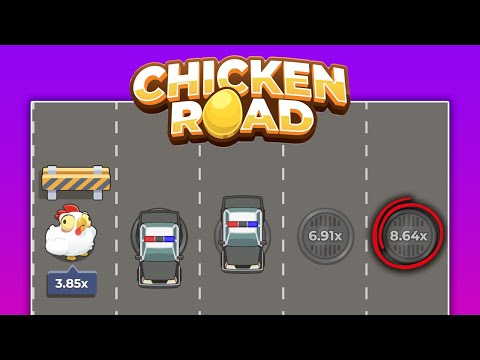
Traffic risk is not just a visual theme; it is the game’s volatility engine. Higher difficulty settings usually mean thicker or faster traffic, which shortens the average run and makes early cash-outs more appealing. Easier settings usually reduce the chance of a collision per lane, but they also are likely to offer lower multipliers for the same distance. We recommend beginners to start on the lowest-risk setting and watch several rounds without staking to grasp the rhythm. Once you comprehend how quickly the multiplier rises against the traffic pattern, you can judge whether a cash-out target appears realistic.
Stake Range, Payout Settings and Playtime Limits
Stake ranges differ by the version and by the platform hosting the game, so we cannot provide a universal lowest or highest. Many releases offer low stakes from a few pence up to a capped maximum per round, but you should verify the exact limits in the stake panel before beginning. The stake is for the whole round, not per each lane, which is crucial for planning your funds. If you increase the stake, the cash-out value increases proportionally, but so does the money lost in a crash. We suggest setting a session limit ahead of the first round and viewing each wager as spent risk.
Withdrawal controls serve as the novice’s primary protection. Manual payout allows you to choose per lane, whereas an automatic withdrawal option can secure a target multiplier if the version offers it. We use auto cash-out as a self-control tool, not as a guessing tool: it does not make a collision less probable, but it can prevent you from delaying when your goal shows up. Some versions also feature turbo or fast-play options, which speed up animations and accelerate decisions. Rapid play can encourage more rounds per minute, so we keep the stake low when using it.
- Define a session limit before you open the game and cease when it is depleted.
- Use the minimum stake for your first few real-money rounds.
- Choose a withdrawal goal ahead of the round starting.
- Use auto cash-out only if you understand that it does not reduce collision risk.
- Avoid increasing stakes to chase a previous loss.
Výplatní poměr, House Edge a Kolísavost ve hře Chicken Road
Chicken Road nejedná se o slot, takže její RTP by se mělo chápat jako dlouhodobý průměrný výnos pro herní verzi, kterou hrajete, nikoli jako slib pro jedno sezení. Uvedené údaje pro lane-crossing hry se často nacházejí v pásmu středních až vysokých 90; některé varianty citují kolem 97 %, ale v žádném případě to nebereme jako samozřejmost bez ověření panelu s informacemi ve hře. Kasino výhoda je mezera mezi 100 % a uvedeným RTP. Například 97% RTP naznačuje teoretickou výhodu 3 % při četných hrách. Tento číselný údaj vám neřekne, zda vaše další výplata bude výherní nebo proherní, a neruší riziko srážky.
Kolísavost ve hře Chicken Road je nejvýstižněji popsána jako značná z hlediska výsledků, i když možnost cash-outu vám poskytuje jistý vliv. Každá lane je oddělená událost s rizikem a jedna srážka může zrušit vsazenou částku v roundu. Hra nevyhlazuje výsledky hry napříč paylines nebo scatter kombinacemi, takže krátká sezení se mohou prudce kolísat. Žebříček násobičů vnímáme jako nástroj správy volatility spíše než její odstranění: menší cíle výplaty jsou zpravidla zasaženy vícekrát, zatímco vysoké cíle vyžadují delší řady a nesou vyšší pravděpodobnost prohry sázky. Přizpůsobte si cíl svému rozpočtu na sezení.
- Prověřte RTP v informační obrazovce hry, nikoli na souhrnu třetí strany.
- Potvrďte, zda se hodnota týká na konkrétní variantu a obtížnost, kterou používáte.
- Pamatujte, že RTP je dlouhodobý průměr, ne prognóza pro konkrétní sezení.
- Berte house edge jako cenu hry, nikoli jako poplatek, který lze získat zpět.
Typical Errors, Fair Play Checks and Variant Discrepancies
One common beginner mistake is treating account access Chicken Road like a slot and expecting a bonus round to activate. There are no reels to spin and no paylines to line up, so the round concludes only upon cashing out or the chicken is hit. Another mistake is increasing the bet after a crash to make up for the loss; that shifts the risk profile without improving the odds. We also see players disregard the difficulty option, even though it directly impacts traffic volume and the multiplier curve. Reading the version notes before playing is more useful than replicating a withdrawal goal from someone else’s session.
Version differences are significant because Chicken Road releases can vary in RTP, stake limits, maximum win caps and optional controls. We check the game’s own information panel for the exact rules, then match that against the site’s game description. If the two conflict, we follow the in-game help screen and avoid assuming that a figure from one version is valid for another. Fair-play checks should also cover whether the version provides provably fair seed details or independent testing details. When those details are absent, we bet small amounts and consider the game entertainment rather than a predictable income source.
- Do not pursue losses by raising the bet after a collision.
- Do not presume free spins, wilds or scatters are present in this game.
- Review the in-game help for RTP, limits and max win rules.
- Check the difficulty option before contrasting outcomes with other players.
- Cease at your session limit even if the multiplier ladder looks tempting.
How Chicken Road Is and What Happens During a Round
Chicken Road is best understood as a single-player risk ladder. The screen presents a road divided into lanes, a chicken at the starting edge, and a multiplier that increases after each successful lane. You pick a stake and press start; the chicken moves forward one lane at a time, and traffic passes across the lanes. If a vehicle hits the chicken, the round ends and the stake is gone. If you cash out before a collision, you get the stake multiplied by the current multiplier. Versions we have seen are commonly attributed to InOut Games, and the sequel Chicken Road 2 maintains the same lane-crossing logic rather than a reel set. There are no reels, rows, paylines or ways-to-win combinations to remember, so beginners should focus on the cash-out decision rather than symbol matching.
A typical round involves a short sequence that we recommend learning before you boost stakes. First you set the stake using the minus and plus controls or preset chips. Then you start the round and watch the chicken advance. Each lane crossed raises the multiplier, and the cash-out button becomes more valuable. A collision ends the round immediately. The exact buttons and animations vary by version, but the decision order is consistent. We suggest trying the sequence at the minimum stake until the cash-out timing feels natural before you bet a larger amount.
- Set a per-round stake you can afford to lose.
- Start the round and watch the chicken move lane by lane.
- Check the current multiplier before deciding to continue.
- Withdraw to lock the return, or accept the risk of another lane.
- Consider a collision as the end of the round and the loss of that stake.
Step-by-Step Novice Rules for Your First Round
Prior to your maiden real-money round, we advise a short checklist that converts the rules into a consistent routine. The objective is to eliminate guesswork from the start and end of the round, so the only live decision is whether to select another lane. Maintain the stake small, verify the version’s RTP and limits, and determine a cash-out target before the chicken moves. If the game includes a practice mode, use it to master the timing without risking money. The sequence below is the one we use when testing a new Chicken Road version for the first time.

- Access the game’s help screen and check RTP, bet range, max win cap and difficulty options.
- Establish a session budget and a per-round stake that matches inside it.
- Select the lowest-risk difficulty setting for your first rounds.
- Start the round and monitor the multiplier after each safe lane.
- Cash out at your pre-set target or accept the risk of one more lane.
- Note the result and stop when your session limit is reached.
After the round, we review the decision rather than the outcome alone. A cash-out that seemed early may still have been correct if it aligned with the plan, and a lucky late cash-out can deliver the wrong lesson if it fosters reckless targets. We maintain a simple note of stake, cash-out multiplier and reason for stopping. Over several sessions, that record reveals whether our targets are realistic for the traffic pattern we are playing. Beginners should repeat the same low-stake routine until the cash-out decision seems controlled, repeatable rather than reactive.
Leave a Reply